Every year on World Animal Day, we organise a major sterilisation campaign. But of course, this issue deserves attention far beyond a single day — which is why we continue this work throughout the entire year, just as we have done since the very beginning of our foundation.
The animals that receive extra attention on 4 October are mostly our pets. Their owners treat them to something special and give them a little extra love and care on this day.
The harsh reality for stray animals, however, is that they usually have no owner at all — no one who provides them with food, attention, or care on a daily basis, let alone something extra on a special day.
In many countries, they are even seen as outcasts of society, or as pests that should be controlled.
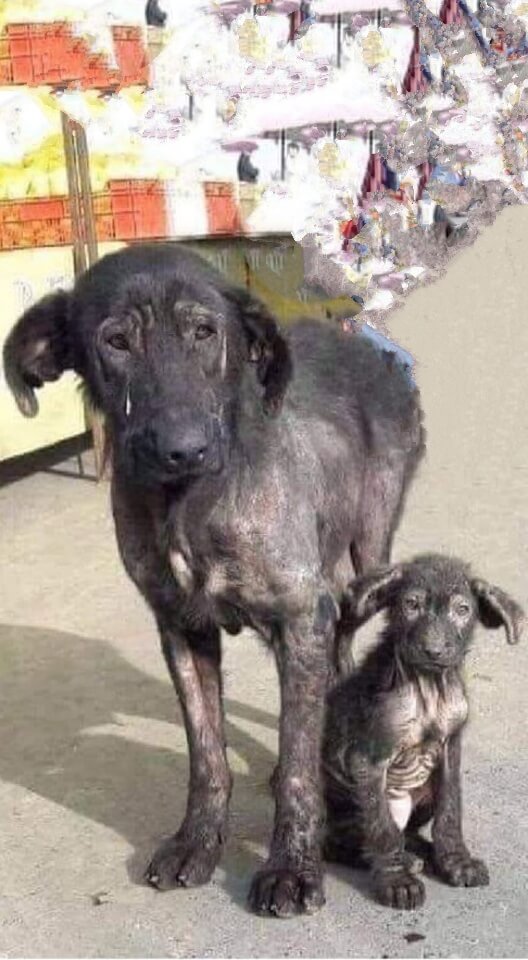
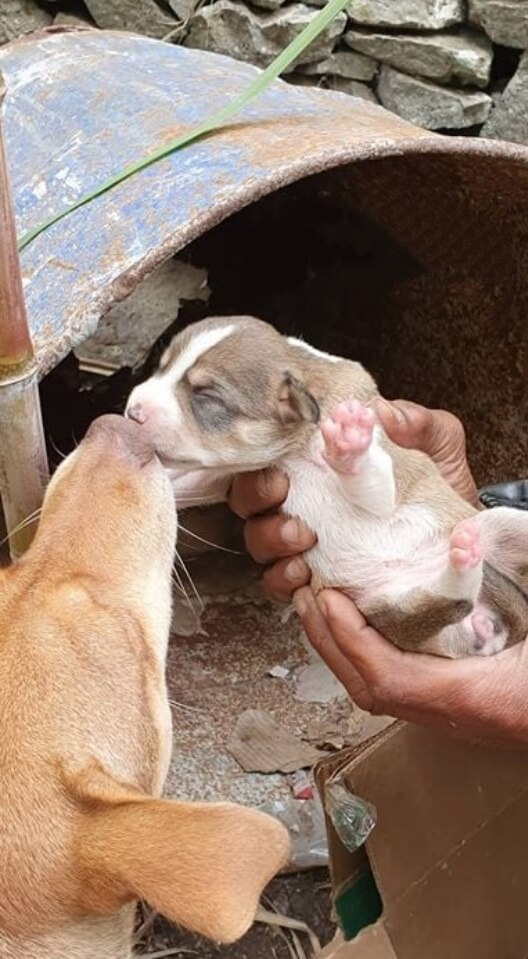
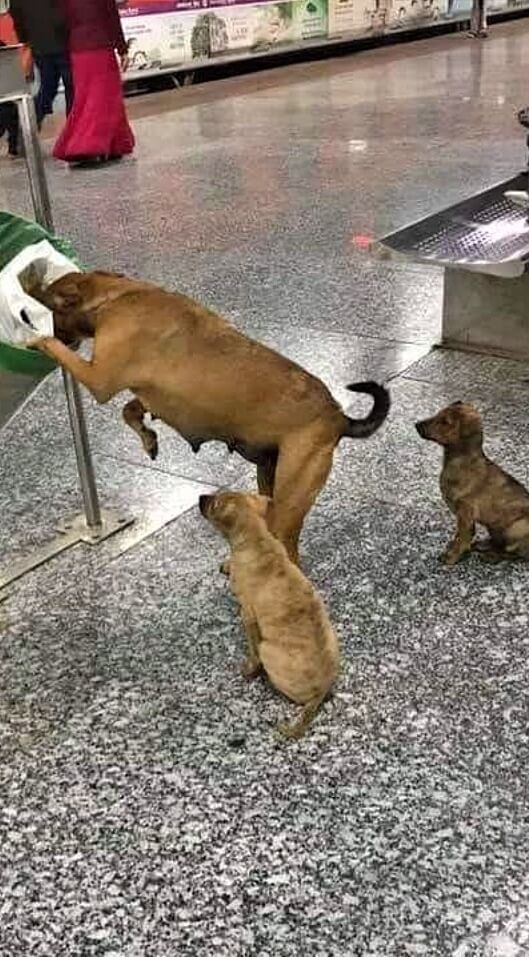
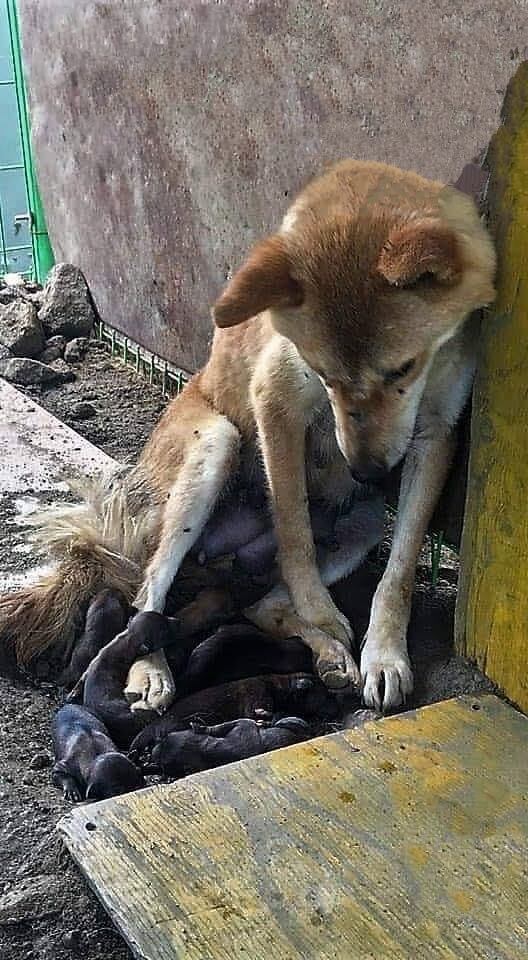
Not only on World Animal Day, but on every day of the year, we want to pause and reflect on the countless animals who are forced to survive on the streets. Hunger and thirst, illness or injury, abuse and poisoning — for these animals, such suffering is the “normal” reality of daily life. And always with the constant fear of encountering people who may hurt them, chase them away, beat them, poison them, deliberately run them over, or capture them with the intention of killing them.
Dogs and cats deserve a caring owner and a safe roof over their heads.
Stray animals have none of that. They often live a bleak and lonely existence on the streets, exposed to freezing cold or extreme heat, and vulnerable to all kinds of painful diseases and skin conditions.
But as friends of (stray) animals, we can show compassion, take action, and help countless strays around the world.
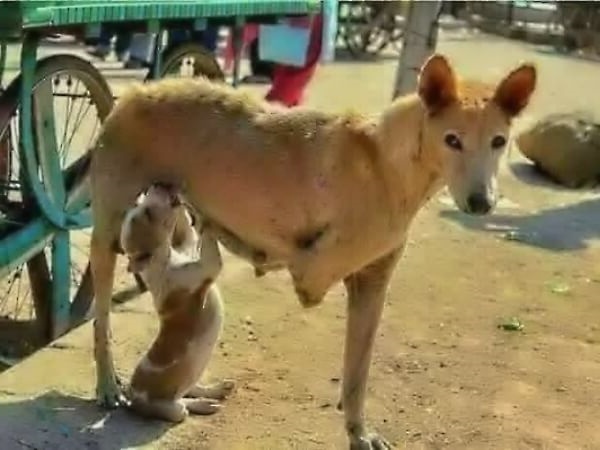
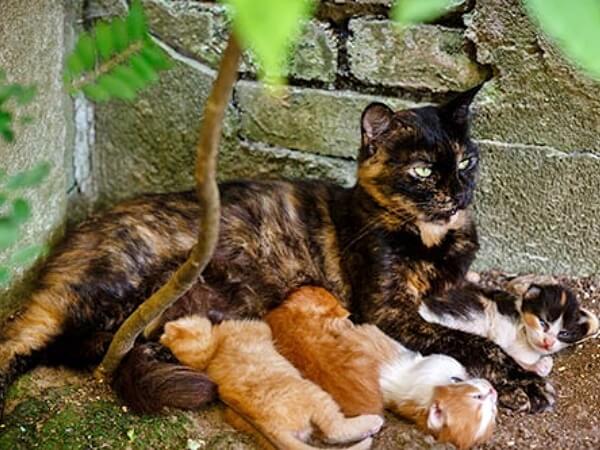
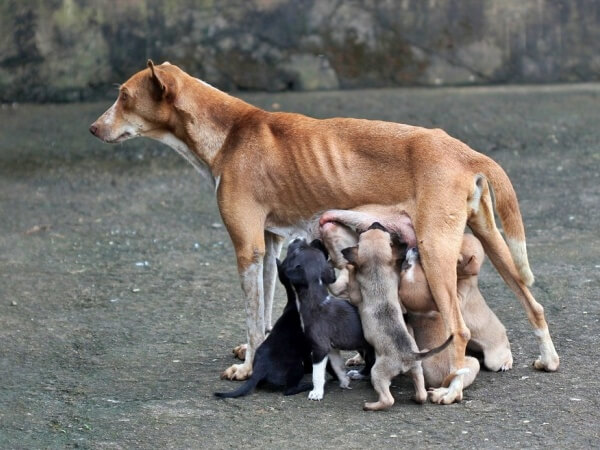
The Daily Struggle of Stray Animals
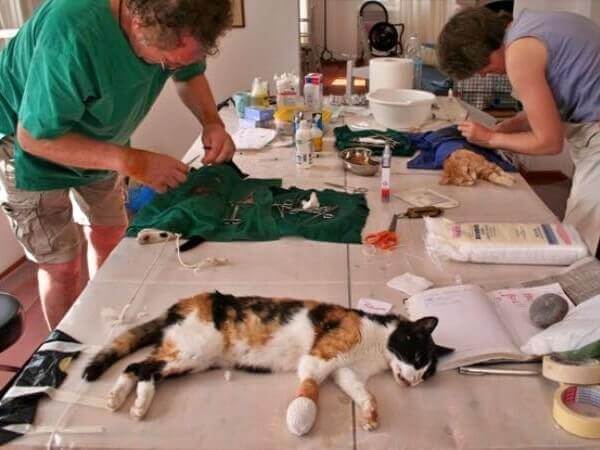
Stray animals have an incredibly hard life. Simply surviving each day and finding enough food is already a struggle — especially for those who also have to raise a litter of kittens or puppies. The most effective way to address the stray animal crisis is through sterilisation and castration, preventing even more animals from being born into the same miserable conditions as their parents. What is not born cannot suffer. And mother dogs and cats can no longer have litter after litter, which immediately gives them a better quality of life.
Why Sterilisation Is the Only Long-Term Solution
Scientific research has shown that catching, sterilising, and returning the animals to their territory is the only structural method to end the overpopulation of stray dogs and cats.
Health Benefits That Save Lives
Sterilisation also prevents CTVT — a transmissible cancer/tumour. CTVT spreads mainly among dogs through mating, but it can also be transmitted through licking, sniffing, or giving birth. It is usually treatable, but only with chemotherapy, which takes 3 to 6 weeks. Without treatment, the dog will die — meaning stray animals on the streets stand no chance. Sterilisation can prevent almost 100% of these cases. Castration also prevents fights between males over females, which often result in severe wounds that can be fatal. The same applies to females — pregnancy and giving birth are extremely demanding for stray dogs and weaken their immune system. All in all, sterilisation is absolutely essential and lifesaving.
Please support our sterilisation campaigns and help give stray animals a better life!
In addition to being sterilised, (injured) animals will of course also receive medical care and be treated for fleas, ticks, worms, and any skin conditions.
We want to support as many aid projects as possible with our sterilisation efforts.
In some countries, a dog or cat can already be neutered for as little as 5 to 20 euros per animal.
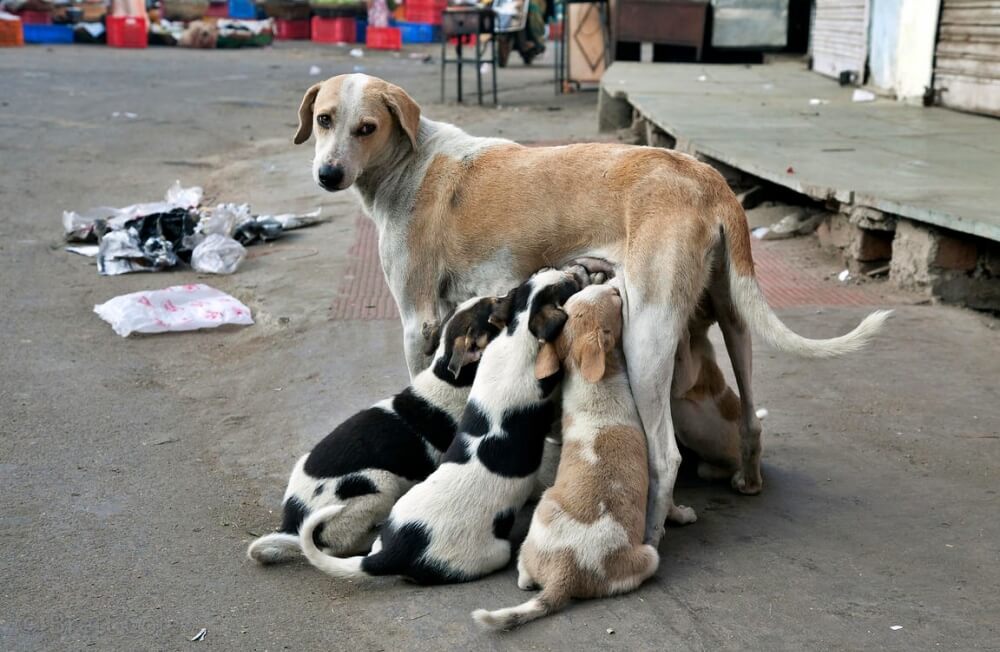
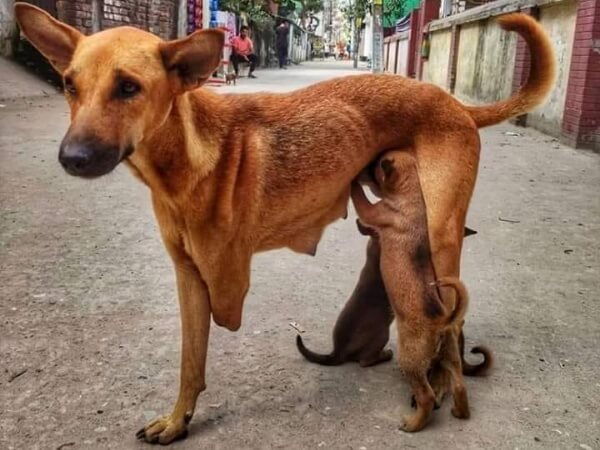
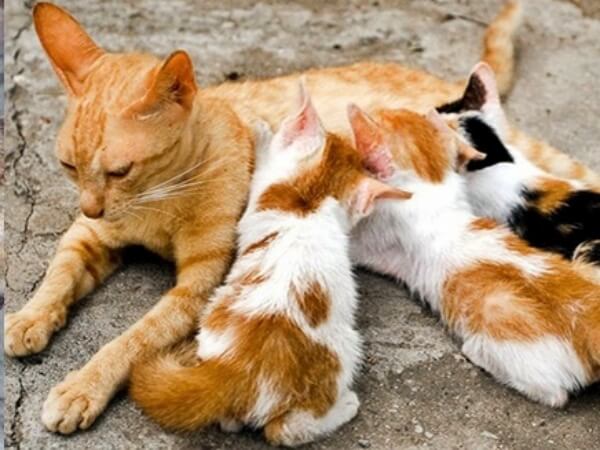
Please help these disadvantaged animals — now is your chance to make a difference!
Show compassion and help us sterilise as many stray animals as possible.
We guarantee that your donation will be used exclusively for our sterilisation campaigns.
We do not deduct anything for salaries, housing, or unnecessary extras — we simply don’t believe in that.